
Feline Herpes Virus (FHV)
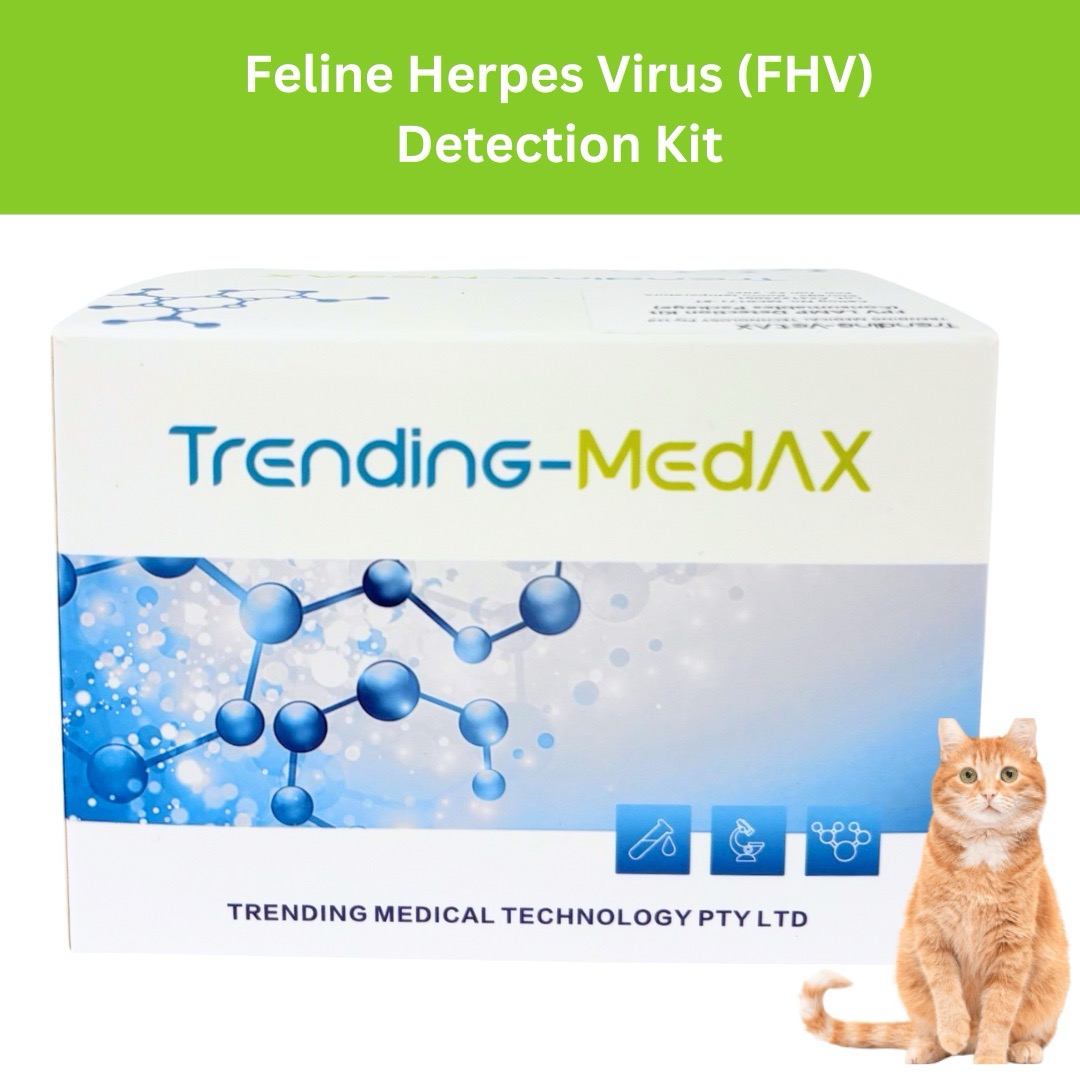
The Feline Herpesvirus (FHV) Test Card detects the presence of Feline Herpesvirus, a common and highly contagious virus that primarily affects the upper respiratory tract in cats. Infected cats may show symptoms such as sneezing, nasal discharge, conjunctivitis (eye inflammation), fever, and loss of appetite. FHV can cause recurrent outbreaks, especially during times of stress or illness. While it is typically not fatal, early detection is essential for effective management and to prevent the spread to other cats.
Rapid Detection: Provides result in 30 minutes.
Easy-to-Use: Simple one-step process, compact and easy to store.
Non-Invasive: Detects FHV from saliva samples, avoiding invasive methods.
Use: Suitable for veterinary clinics, emergency care, or shelters.
Storage: Keep the kit in the freezer to maintain stability. Use within the expiration date indicated on the package label.
SKU:
1PTC0191-10T
Categories: Animal Health, Cats, Detection Kits
Tag: 1 Test (Single)
Product ID: 28259
Overview
Early detection of Feline Herpesvirus (FHV) is important for managing symptoms and reducing the risk of transmission to other cats. The Feline Herpesvirus (FHV) Test Card offers a rapid, reliable method to detect the virus, enabling veterinarians and pet owners to take immediate action. Timely treatment can help reduce the severity and duration of outbreaks, improve the cat’s comfort, and prevent the spread of FHV, especially in multi-cat households or shelters.
Rapid Detection: Provides result in 30 minutes.
Easy-to-Use: Simple one-step process, compact and easy to store.
Non-Invasive: Detects FHV from saliva samples, avoiding invasive methods.
Use: Suitable for veterinary clinics, emergency care, or shelters.
Storage: Keep the kit in the freezer to maintain stability. Use within the expiration date indicated on the package label.
Specification
Sample Type: Saliva, nasal fluid and conjuntival secretion
Application: Kittens and Adult Cat
Time to result: 30minutes
Packaging: Available in boxes of 4,8 or 12 tests
Storage: Store LAMP reagent in freezer until use
Precaution
For veterinary or diagnostic use only
Use the test within 10minutes after opening the sealed foil pouch
Do not use if the pouch is damaged or seal is broken
Do not use after expiration date
For feline use only – do not use on other animals
How to Use / Instructions
Please refer to the included instructions for a detailed, step-by-step guide on how to properly perform the test.
Overview
Early detection of Feline Herpesvirus (FHV) is important for managing symptoms and reducing the risk of transmission to other cats. The Feline Herpesvirus (FHV) Test Card offers a rapid, reliable method to detect the virus, enabling veterinarians and pet owners to take immediate action. Timely treatment can help reduce the severity and duration of outbreaks, improve the cat’s comfort, and prevent the spread of FHV, especially in multi-cat households or shelters.
Rapid Detection: Provides result in 30 minutes.
Easy-to-Use: Simple one-step process, compact and easy to store.
Non-Invasive: Detects FHV from saliva samples, avoiding invasive methods.
Use: Suitable for veterinary clinics, emergency care, or shelters.
Storage: Keep the kit in the freezer to maintain stability. Use within the expiration date indicated on the package label.
Specification
Sample Type: Saliva, nasal fluid and conjuntival secretion
Application: Kittens and Adult Cat
Time to result: 30minutes
Packaging: Available in boxes of 4,8 or 12 tests
Storage: Store LAMP reagent in freezer until use
Precaution
For veterinary or diagnostic use only
Use the test within 10minutes after opening the sealed foil pouch
Do not use if the pouch is damaged or seal is broken
Do not use after expiration date
For feline use only – do not use on other animals
How to Use / Instructions
Please refer to the included instructions for a detailed, step-by-step guide on how to properly perform the test.
- What is Feline Herpesvirus?
- How Feline Herpesvirus Spreads
- Feline Herpesvirus Impact
- Who is at Risk?
Feline Herpesvirus (FHV-1)Vs a highly contagious virus that primarily affects the upper respiratory system of cats. It causes symptoms similar to a cold in humans, such as sneezing, nasal discharge, and conjunctivitis (inflammation of the eyes). FHV-1 is often a lifelong infection, and though it can be managed with treatment, it can flare up during times of stress or weakened immunity.
Feline Herpesvirus spreads easily through contact with infected cats’ respiratory secretions and other bodily fluids.
Direct contact with an infected cat’s saliva, nasal discharge, or eye discharge
Indirect contact via contaminated objects like toys, bedding, food and water bowls, or litter boxes
The virus can also be transmitted through airborne droplets when an infected cat sneezes or coughs.”
High Prevalence: Feline Herpesvirus is one of the most common viral infections in cats, with studies showing that a large percentage of cats worldwide are exposed to the virus.
Chronic Infections: While the virus can cause acute illness, most cats with FHV-1 will experience periodic flare-ups, especially when stressed or in environments with other sick cats.
Outbreaks in Shelters: FHV-1 outbreaks are common in shelters or places where multiple cats are housed together. Preventing the spread is crucial in these environments.
Kittens: Young kittens with developing immune systems are at higher risk and can experience more severe symptoms, especially if they are exposed to the virus before they are vaccinated.
Unvaccinated Adult Cats: Cats that have not received the appropriate vaccines for feline herpesvirus are at higher risk of contracting the disease.
Cats in crowded environments: Shelters, boarding facilities, and multi-cat households are at higher risk of outbreaks due to the close proximity of the cats and the ease with which the virus spreads.

- About the Disease
- How does it spread?
- Impact
- Who is at risk?
Feline Herpesvirus (FHV-1)Vs a highly contagious virus that primarily affects the upper respiratory system of cats. It causes symptoms similar to a cold in humans, such as sneezing, nasal discharge, and conjunctivitis (inflammation of the eyes). FHV-1 is often a lifelong infection, and though it can be managed with treatment, it can flare up during times of stress or weakened immunity.
Feline Herpesvirus spreads easily through contact with infected cats’ respiratory secretions and other bodily fluids.
Direct contact with an infected cat’s saliva, nasal discharge, or eye discharge
Indirect contact via contaminated objects like toys, bedding, food and water bowls, or litter boxes
The virus can also be transmitted through airborne droplets when an infected cat sneezes or coughs.”
High Prevalence: Feline Herpesvirus is one of the most common viral infections in cats, with studies showing that a large percentage of cats worldwide are exposed to the virus.
Chronic Infections: While the virus can cause acute illness, most cats with FHV-1 will experience periodic flare-ups, especially when stressed or in environments with other sick cats.
Outbreaks in Shelters: FHV-1 outbreaks are common in shelters or places where multiple cats are housed together. Preventing the spread is crucial in these environments.
Kittens: Young kittens with developing immune systems are at higher risk and can experience more severe symptoms, especially if they are exposed to the virus before they are vaccinated.
Unvaccinated Adult Cats: Cats that have not received the appropriate vaccines for feline herpesvirus are at higher risk of contracting the disease.
Cats in crowded environments: Shelters, boarding facilities, and multi-cat households are at higher risk of outbreaks due to the close proximity of the cats and the ease with which the virus spreads.
Feline Herpes Virus (FHV)
SKU
1PTC0191-10T
Categories Animal Health, Cats, Detection Kits
Tag 1 Test (Single)
Product ID: 28259